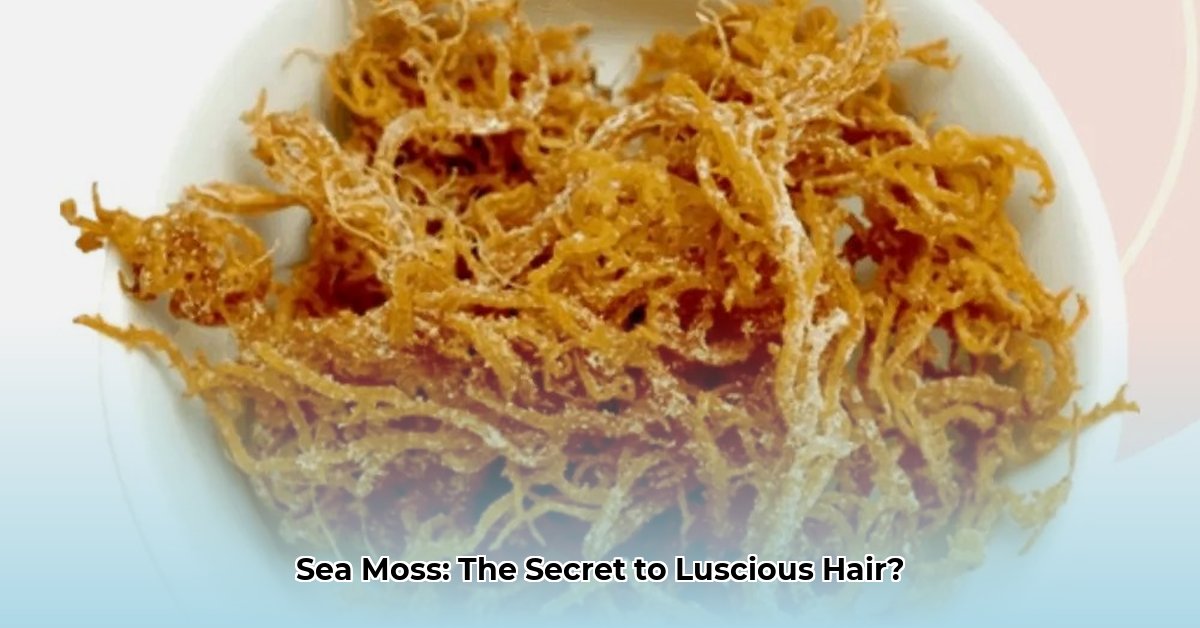
Sea moss, a type of seaweed, is gaining popularity as a natural remedy for hair growth and overall hair health. But does the hype match the reality? This guide provides an evidence-based overview of sea moss's potential benefits, risks, and safe usage instructions. We'll explore the science behind its purported effects while emphasizing the importance of consulting a healthcare professional before incorporating sea moss into your routine.
Understanding Sea Moss and its Potential Hair Benefits
Sea moss, or Chondrus crispus, is packed with vitamins, minerals, and antioxidants. It boasts high levels of vitamins A and E, known for promoting healthy hair follicles and stimulating growth. Its antioxidant properties combat free radical damage, maintaining hair vibrancy. However, it's crucial to note that while these nutrients are essential for healthy hair, direct evidence definitively linking sea moss consumption to increased hair growth remains limited. Is there more research needed to fully understand the extent of these connections? Yes, absolutely.
How Sea Moss Might Benefit Your Hair and Scalp
While conclusive scientific studies are still underway, several potential benefits of sea moss for hair have been suggested:
Deep Hydration: Sea moss's moisturizing properties help draw moisture to the hair and scalp, tackling dryness and frizz for softer, shinier, more manageable hair. This deep hydration is particularly beneficial for those with dry or brittle hair.
Potential Growth Stimulation: The nutrient-rich profile of sea moss may nourish hair follicles, potentially promoting growth and reducing hair loss. However, more research is needed to confirm this effect.
Strengthened Hair Strands: Sea moss's potential to strengthen hair from root to tip could lead to less breakage and longer, healthier-looking hair over time. Is stronger hair a desirable outcome? For many, undoubtedly yes.
Soothes Scalp Irritation (Potentially): Sea moss's anti-inflammatory properties may help soothe irritated or inflamed scalps, potentially benefiting individuals with conditions like dandruff or psoriasis. But again, this isn't a replacement for medical treatment.
How to Safely Use Sea Moss for Hair Growth
Before using sea moss, a consultation with your physician, especially if you have any pre-existing health conditions, is strongly recommended. Sea moss's high iodine content could pose risks to those with thyroid issues. Always prioritize safety first.
Internal Use (Supplements):
- Consult your doctor: This is paramount, particularly if you have a thyroid condition or are on medication.
- Start with a low dose: Gradually increase dosage only after assessing tolerance. Observe for any adverse effects.
- Choose reputable brands: Look for quality certifications and reliable sources.
Topical Use (Hair Masks and Conditioners):
- Perform a patch test: Apply a small amount of sea moss gel to an inconspicuous area of skin to check for allergic reactions before widespread application.
- Use sparingly at first: Observe for any reactions before applying to the entire scalp.
- Combine with other beneficial ingredients: Enhancing the sea moss gel with ingredients like aloe vera or coconut oil can improve application and potentially boost the benefits.
Preparing a Sea Moss Gel:
- Soak dried sea moss in clean water for at least 4-6 hours, or preferably overnight, until softened.
- Rinse thoroughly and blend with clean water until a smooth gel is formed.
- Store the gel in the refrigerator for up to a week.
- Apply to hair and scalp as needed, leaving it on for 30 minutes before rinsing thoroughly with cool water.
Potential Downsides and Precautions
While sea moss promises potential benefits, it's crucial to acknowledge the potential risks:
- High Iodine Content: Excessive iodine intake from sea moss can be detrimental to thyroid health, especially for individuals with thyroid conditions. Therefore, strict adherence to recommended dosages is crucial.
- Allergic Reactions: Topical application may trigger allergic reactions in some individuals. Always perform a patch test.
- Heavy Metal Contamination: The quality of sea moss varies greatly; some products may contain heavy metals. Choose high-quality, sustainably sourced products to minimize this risk.
The Bottom Line: Informed Choices and Professional Guidance
Sea moss holds potential benefits for hair health, but currently, robust scientific evidence remains limited. A balanced approach that includes a nutritious diet, stress management, and a healthy lifestyle is generally more effective for long-term hair health improvement. Always consult with your doctor or dermatologist before using sea moss, especially if you have underlying health conditions. They can provide personalized advice, factoring in your specific circumstances and potential risks. Remember, informed choice and professional guidance are key to achieving healthy, beautiful hair.